What can a pink owl tell us about inclusion?
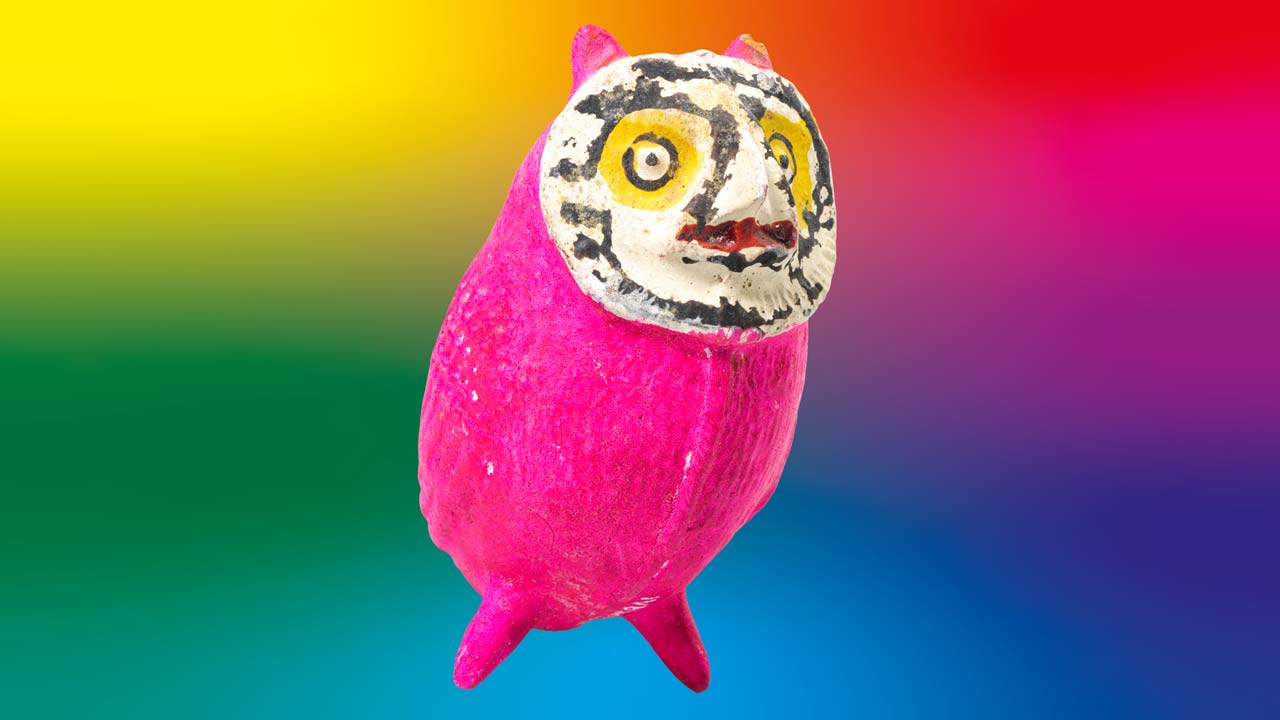
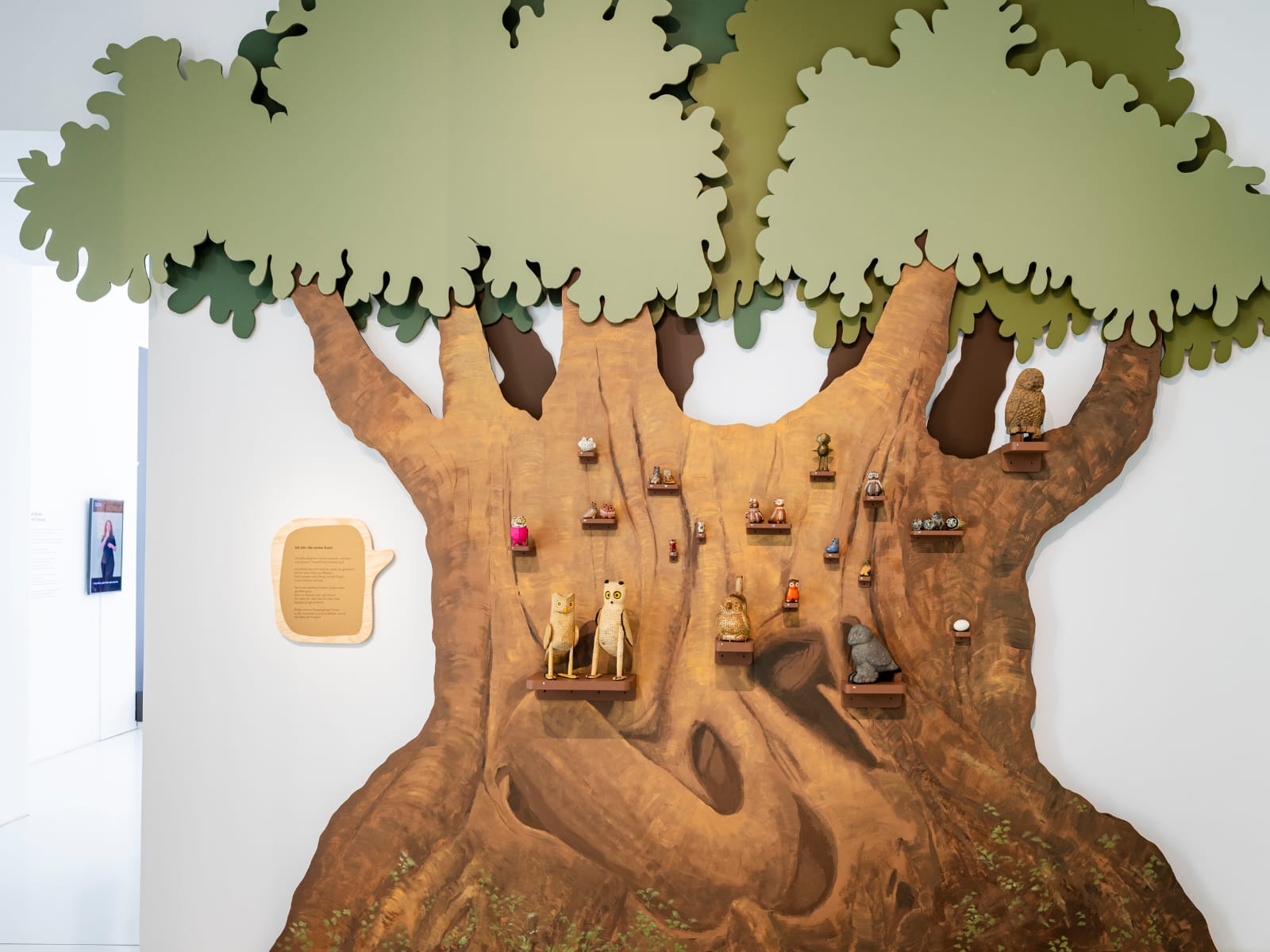
The owl is pink. At least to the people who can see it.
But what does this color mean to people who perceive colors differently or cannot see them at all?
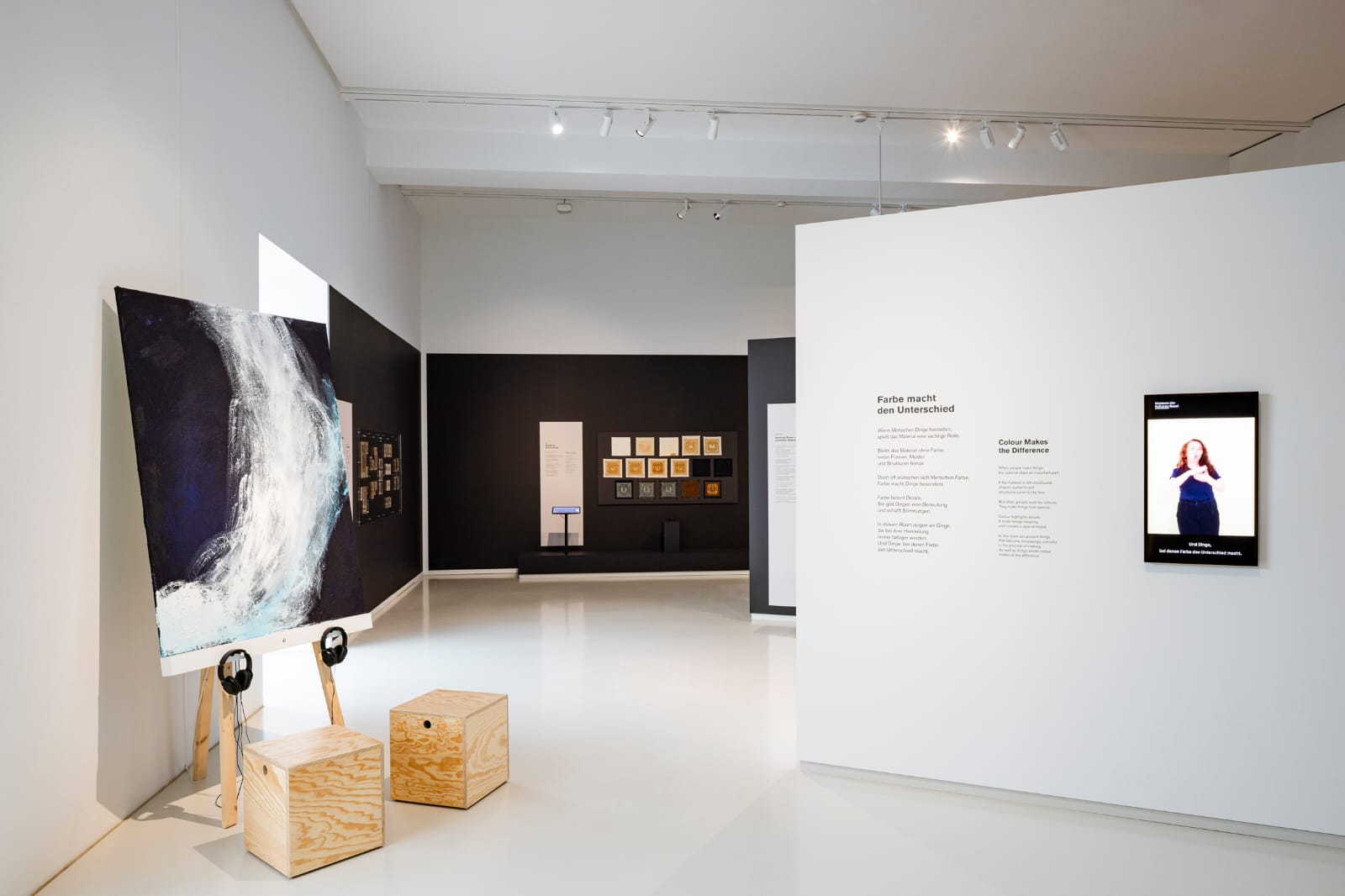
The exhibition “The Owl Is Pink” at the Museum der Kulturen Baseldemonstrates how inclusive exhibition design and accessible museum education can be incorporated right from the conceptual phase. Jo Meier from the Education and Outreach Department at the Museum der Kulturen Basel spoke with us about the project, discussed the challenges, and shared her key takeaways.
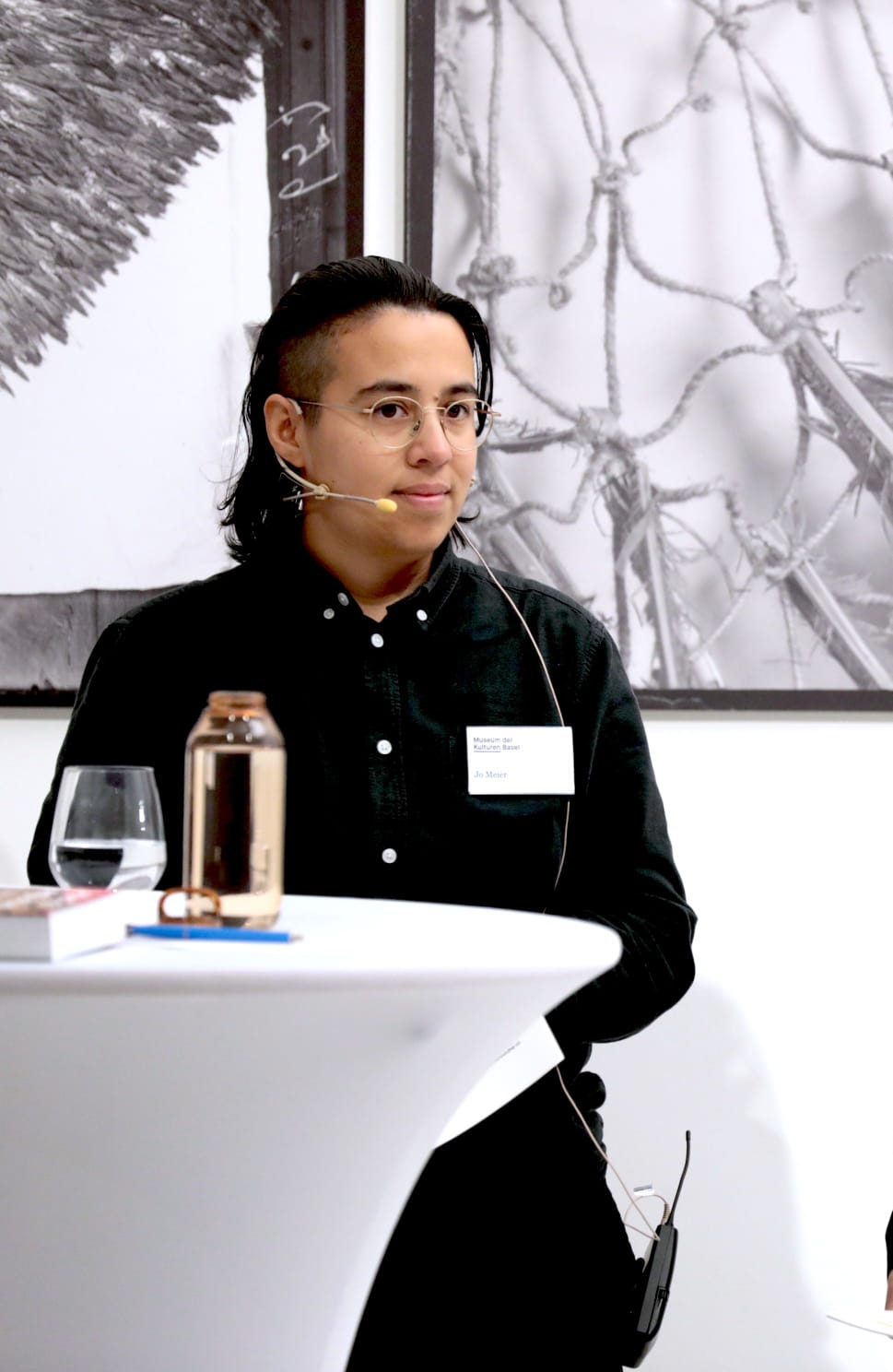
What can museums learn from this? How can we create audio descriptions that go beyond mere descriptions of objects? And why, in the end, do not only blind and visually impaired people benefit from such offerings? In a conversation with Jo Meier, it becomes clear that inclusion does not begin with the presentation of the exhibition, but rather with its conception.
Back to the original question: How do you describe a color to people who can't see it?
This question hung unspoken in the air as the Museum der Kulturen Basel developed the exhibition “The Owl Is Pink.” An exhibition about colors, perception, and the question of how differently people experience the world.
It quickly became clear that if the exhibition is to take different perspectives seriously, it is not enough to simply add accessibility features at the end of the project. It must be part of the process from the very beginning.
If you'd like to delve deeper, you can also listen to the full interview with Jo Meier. We've also made the questions and answers available as an audio tour in the Wonnder Player. This adds an auditory dimension to the article itself.
[You can also listen to the full interview with Jo Meier as an audio tour in the Wonnder Player.]
Inclusion begins long before the audio guide
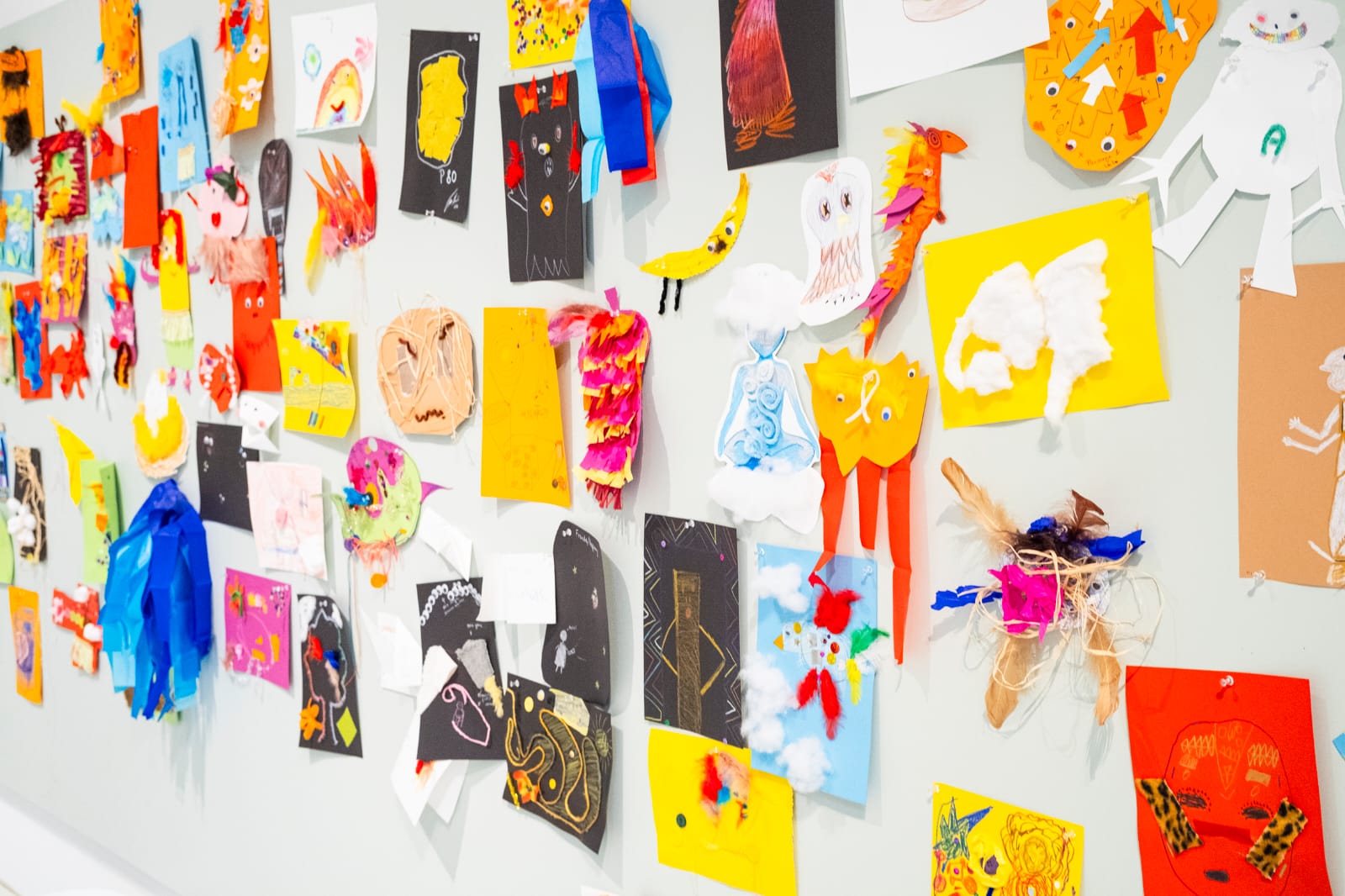
The Museum der Kulturen Basel therefore worked with so-called focus groups. In addition to elementary school-aged children, people who are blind, visually impaired, deaf, and hard of hearing also participated in the development of the exhibition. The Inclusion focus group was organized by Sara Stocker, an inclusion expert and museum specialist from Inkluseum.
“Through discussions with these individuals, it became clear that audio description is needed,” explains Jo Meier.
Many of the objects on display are not immediately understandable if you cannot see them. At the same time, an audio guide allows you to explore the exhibition on your own—without a guide and at your own pace.
But the focus groups provided far more than just insights into accessibility. They offered perspectives that enriched the exhibition as a whole.
How do you make an object audible?
The museum worked closely with Noah Mundinger, an expert in audio description who is visually impaired himself, to develop the audio guide.
Together, we didn't create a traditional audio guide that simply describes what you see.
Instead, an effort was made to allow visitors to experience the objects as holistically as possible.
As part of their preparations, the participants even visited the museum's storage facility. There, they were able to touch objects that would later become part of the exhibition.
How does an object feel? Is its surface rough or smooth? How heavy is it? How big is it? What kind of atmosphere surrounds it?
All of this information was included in the audio guide.
“Noah often talks about ‘visually impaired knowledge,’” says Jo Meier. “It’s not just about describing objects, but also about taking into account lighting conditions, orientation, materiality, and spatial contexts.”
The result was not just a traditional audio description, but an inclusive audio guidethat takes different modes of perception into account.
When Words Are Not Enough
This also highlighted just how challenging audio description can be.
Some objects were difficult to describe. Not because they were particularly complex, but because information was missing.
One example is an embroidered garment from Guinea. The shapes and patterns are visible, but their meaning is scarcely documented. This makes not only the description difficult, but also the interpretation.
Jo Meier says: “The question kept coming up: What do we describe? And what do we leave out?”
After all, every description is a selection. It is never complete and never entirely objective.
That, too, was intentionally included in the audio guide.
Who benefits from audio description?
Although the audio guide was developed specifically for blind and visually impaired visitors, the museum does not consider it a special service.
On the contrary. The descriptions, background information, and discussions also offer sighted visitors new ways to engage with the objects.
The audio guide follows a narrative thread and, in places, almost feels like a podcast. As a result, it works even outside the exhibition.
“You could also listen to it at home,” says Jo Meier. What’s particularly fascinating is the realization that audio description doesn’t just supplement information—it changes how we perceive things.
Jo Meier puts it this way: “Audio descriptions have personally helped me get to know objects better. I’ve realized that I’m someone who doesn’t pay much attention to details. I often just glance at something briefly. But when you have to describe it, you suddenly notice details you would otherwise have overlooked.”
Digital Tools for Greater Participation
To ensure that such an audio guide is accessible to as many people as possible, the technical implementation also plays an important role.
In this case, the Museum für Kulturen Basel chose Wonnder.
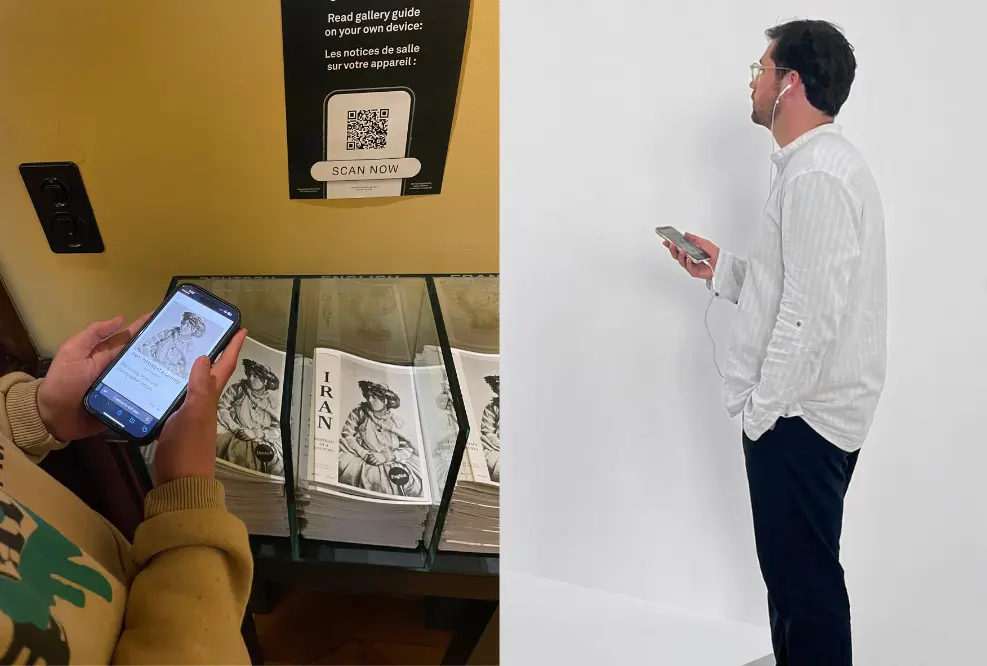
One key reason was the low barrier to entry. Visitors can use the audio guide directly on their own smartphones. The browser-based solution enables digital engagement within the museum that works without downloading an app and accommodates a variety of access needs.
This simplicity plays a particularly important role when it comes to inclusive offerings. Many people already use custom settings or screen readers on their devices, which allows them to navigate a familiar environment.
At the same time, Jo Meier emphasizes that digital offerings cannot replace in-person guidance.
However, they can provide important additional opportunities—before, during, and after a visit to the museum.
The insight: Think about accessibility from the very beginning
Many museums today are grappling with the question of how to implement accessibility in practice. Perhaps the most important insight from the project is a surprisingly simple one:
Accessibility should not be an afterthought at the end of a project. Jo Meier therefore recommends that museums collaborate as early as possible with people who have personal experience with audio description or sensory impairments. This brings many issues related to wayfinding, lighting conditions, tactile elements, and object accessibility to light during the planning phase, eliminating the need to address them later.
Anyone who wants to create inclusive exhibitions should involve people with different perspectives as early as possible—not as a test audience just before the opening, but as part of the development process. Audio description doesn’t just provide access for blind people; it strengthens cultural participation overall and opens up new perspectives for all visitors.
After all, inclusion does not result from a single technical solution.
It arises where different experiences are taken seriously.
And sometimes, this change in perspective starts with a pink owl.