
Digital Innovation in Museums: Successful Case Studies
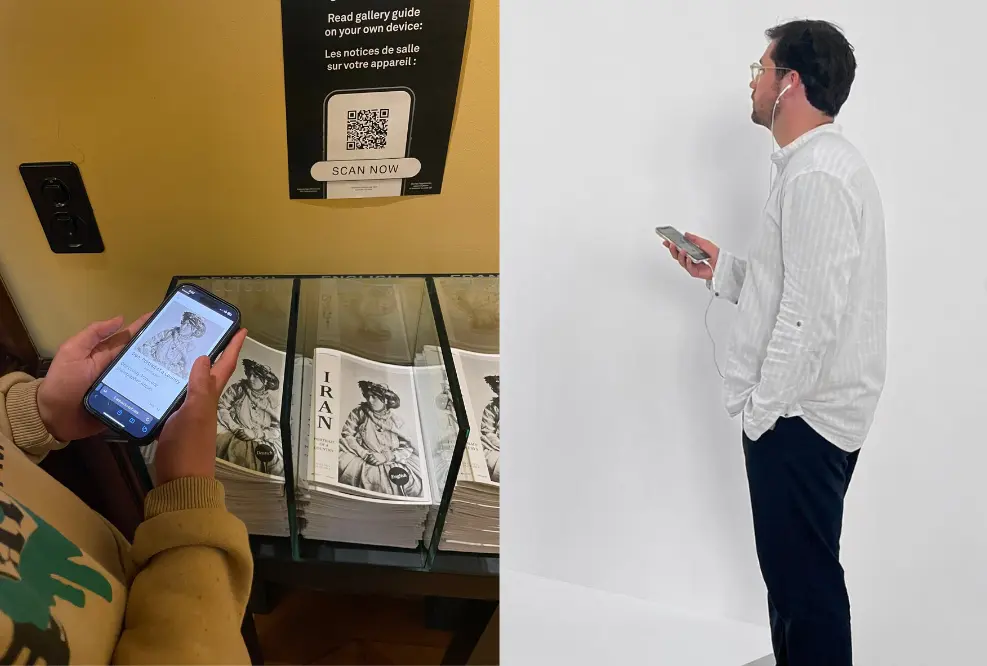
In a world where technology is advancing at a rapid pace, museums face the challenge of not only digitizing their offerings but also rethinking the role of the institution. What role does the museum play in the digital world? Wonnder (formerly known as Audio-Cult) explores how leading museums are using digital technologies to enrich the visitor experience and improve engagement with their audiences. Using three specific examples, we’ll show how audio and multimedia guides make sense as part of a digital strategy.
The Basics of Digital Transformation in Museums
First, you need a digital strategy: It’s worth taking stock of the current situation. What digital offerings do we already have at our museum? What skills do we have? And which ideas can we implement with the resources we have?
Case Studies: Digital Transformation in Museums
The impact of digital strategies in museums can be illustrated using concrete examples. Here are three case studies that demonstrate the success of such initiatives:
The Rietberg Museum has experimented with many different tools. Curators, education specialists, interaction designers, and scenographers are all involved in optimizing the interface between the analog and digital visitor experiences. To avoid requiring visitors to download multiple apps or visit different websites, the Wonnder web app was introduced as a media guide. This allows wall texts (including translations), audio guides, and numerous multimedia offerings to be bundled together—not only for the permanent exhibition but also for special exhibitions.
At the Migros Museum of Contemporary Art , a new mission statement was first developed. As illustrates, accessibility and cultural participation are key priorities. In addition to professional social media content production and free admission, numerous initiatives were introduced to promote greater inclusion—ranging from texts in plain language to audio guides and videos in sign language. Here, too, it is particularly important that the museum itself can flexibly create and adapt content.
At the Museum für Gestaltung , a digital strategy for the museum is currently being developed . This includes improving the visitor experience and further developing processes. With the addition of a new staff member dedicated to digitalization and visitor experience, needs and potential are being analyzed, measures identified, and concrete projects (e.g., digital museum guides) implemented. The goal is to seamlessly integrate the digital and analog experiences. Through Design Thinking, the work is characterized by interdisciplinary collaboration with a broad spectrum of experts, ranging from curators to developers and visitor services staff. Issues surrounding AI and automation are also being explored.
Of course, there are many other institutions that are fundamentally reexamining their own position and museum practices. With Wonnder, we support not only large museums but also small exhibition venues. After all, even small museums are confronted with new technical possibilities, ethical questions, and seemingly endless options. But one thing is clear: the integration of technology into museums is not just a trend, but a necessity for remaining relevant in a digitized world.
Challenges and Opportunities for the Museum
Digital transformation offers museums a unique opportunity to redefine their role in society and to preserve and share cultural heritage in innovative ways.
The case studies presented here show that the introduction of new audio guide technology as part of a strategic approach helps make art and culture accessible to a broader audience. Museums that are willing to explore and implement these digital approaches will not only remain relevant but may even increase their reach and relevance.
At its core, this is about the way we learn and find inspiration—and this is set to change permanently. It will be fascinating to observe how digital technologies continue to evolve and what new opportunities this will open up for museums and their visitors.


