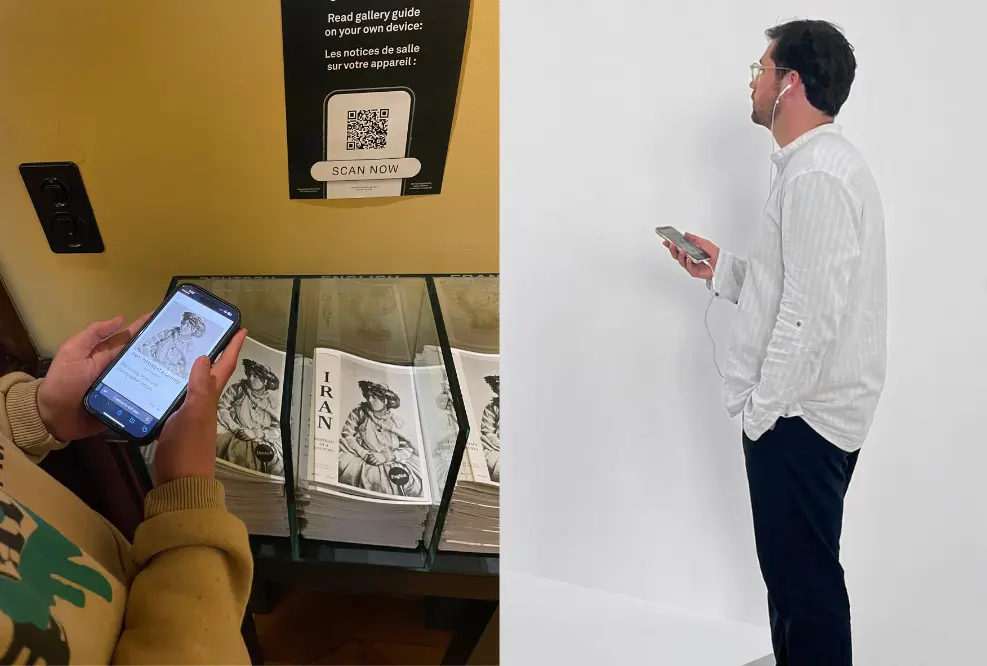
AI-powered audio guides. Affordable and easy for museums
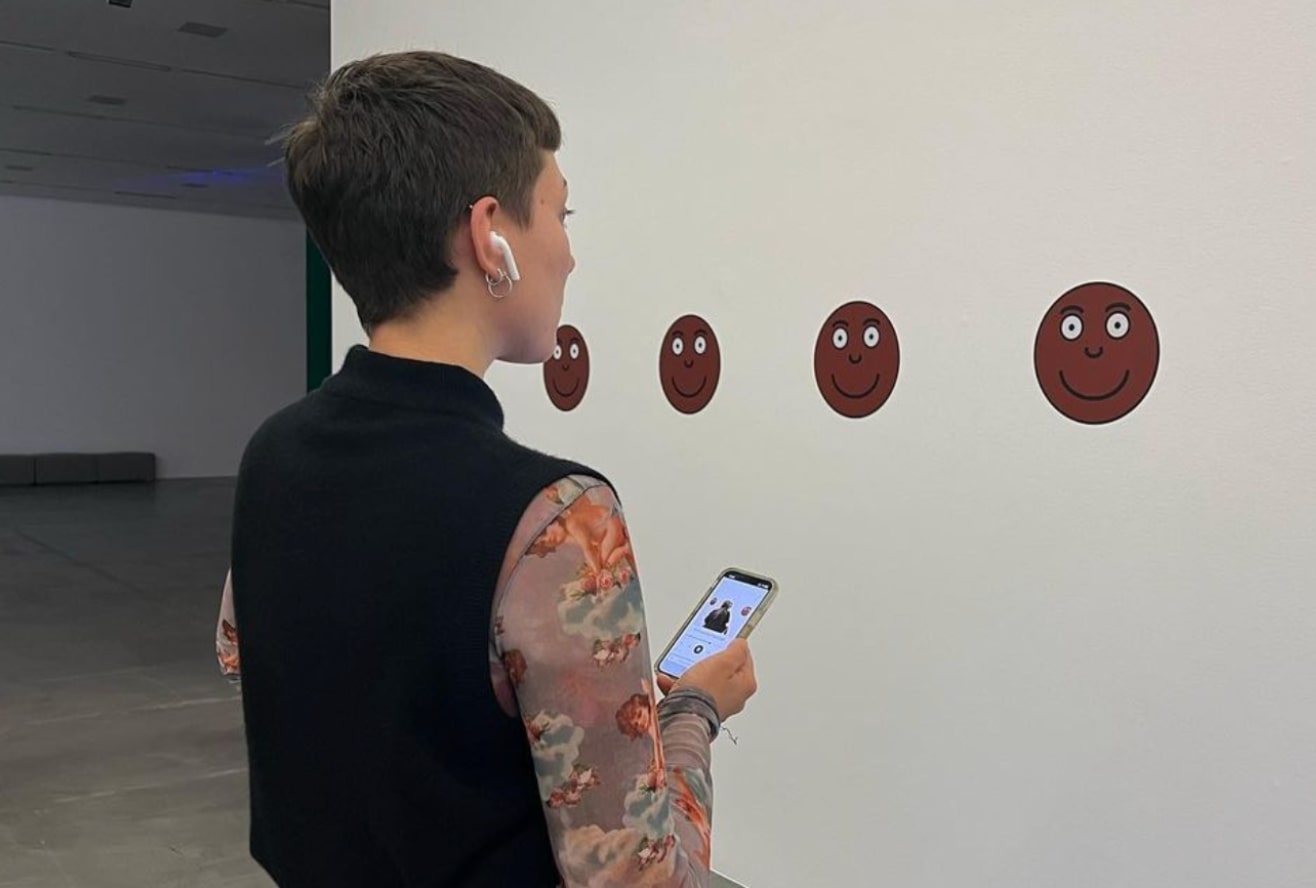
Audio guides are an essential part of the modern museum experience, but producing them has traditionally been expensive and time-consuming using conventional solutions. Wonnder (formerly Audio-Cult) simplifies the process. Artificial intelligence (AI) now offers an additional, innovative solution: high-quality text-to-speech technology. In this article, we’ll show you how to use AI to create cost-effective audio guides for your museum.
What is an AI-powered audio guide?
What was unthinkable just a few years ago—or at least disappointing in terms of quality—is now indispensable: artificial intelligence (AI). But how is thistechnology changingmuseums?
An AI-based audio guide uses artificial intelligence to convert text into natural-sounding speech. This enables museums to produce informative and engaging audio guides without the need for a recording studio or professional narrators. This technology uses advanced algorithms to transform the text into a fluent and understandable audio format.
Benefits of AI-Generated Audio Guides for Museums
The use of AI for audio guides offers numerous advantages:
- Cost-effectiveness: Reduce costs for voice actors and production.
- Flexibility: Create and update content quickly and easily.
- Accessibility: Offer audio guides in various languages.
How does text-to-speech technology work?
Text-to-speech technology uses algorithms to convert written text into spoken language. The latest technology can mimic intonation and natural speech flow to ensure a pleasant listening experience. At Wonnder, we use advanced AI to ensure that your audio guides sound clear and professional.
Steps for Creating an Audio Guide Using AI
But how exactly do you create an audio guide using artificial intelligence?
You can create high-quality audio files based on text:
- Text preparation: Create or gather the texts to be recorded for the audio guide.
- Generate audio: With Wonnder, you can convert text directly into audio.
- Review: Listen to the result and make adjustments if necessary.
- Integration: Integrate the finished audio guide into your exhibition.
Cost and time efficiency through AI voices
Museums with limited budgets can benefit significantly from AI-generated audio guides. Production is faster and more cost-effective compared to traditional methods, which is particularly advantageous for smaller museums.
3 Case Studies: Successful AI Projects in Museums
Some museums have already successfully implemented AI-based audio guides and use Audio-Cult to make their offerings accessible to a wide audience. For example, the Swiss Architecture Museum has expanded its German-language offerings with multilingual audio guides without breaking the bank.
At the Museum für Gestaltung, the original German version was recorded in just 45 minutes with the director and curator—directly on a smartphone. This enabled a variety of educational approaches. The AI audio filter was used to optimize this version. The content was then transcribed and generated in English using AI.
Recently, an audio tour was also created in this way at the Kunstmuseum St. Gallen in a very short time using AI. Here, contemporary art is brought into dialogue with artworks from past eras. This creates exciting dialogues and perspectives within the collection exhibition “Sammlungsfieber.”
When does AI make sense for an audio guide?
The use of AI for audio guides makes sense when the following five factors are taken into account:
- Limited budget: Your museum has limited financial resources.
- Time pressure: You need to create an audio guide quickly and efficiently.
- Multilingualism: You want to offer audio guides in multiple languages without incurring high costs for voice actors.
- Flexibility: You want to create new content regularly or update existing content.
- Small museums: You run a small museum that cannot afford expensive, multilingual productions but still wants to offer high-quality audio guides.
Specifically, many museums use the Audioguide Creator to record a version in their native language and then generate translations using AI.
Conclusion: Why AI Is the Future of Audio Guides
Museums need effective storytelling. To make these stories accessible, it’s worth investing inaudio and multimedia guides.
The future of audio guides lies in AI technology. It offers museums an affordable, flexible, and high-quality way to enrich their exhibitions and engage visitors. This makes the offerings more inclusive and accessible. With Wonnder, you too can leverage the benefits of AI and create impressive audio guides in multiple languages.