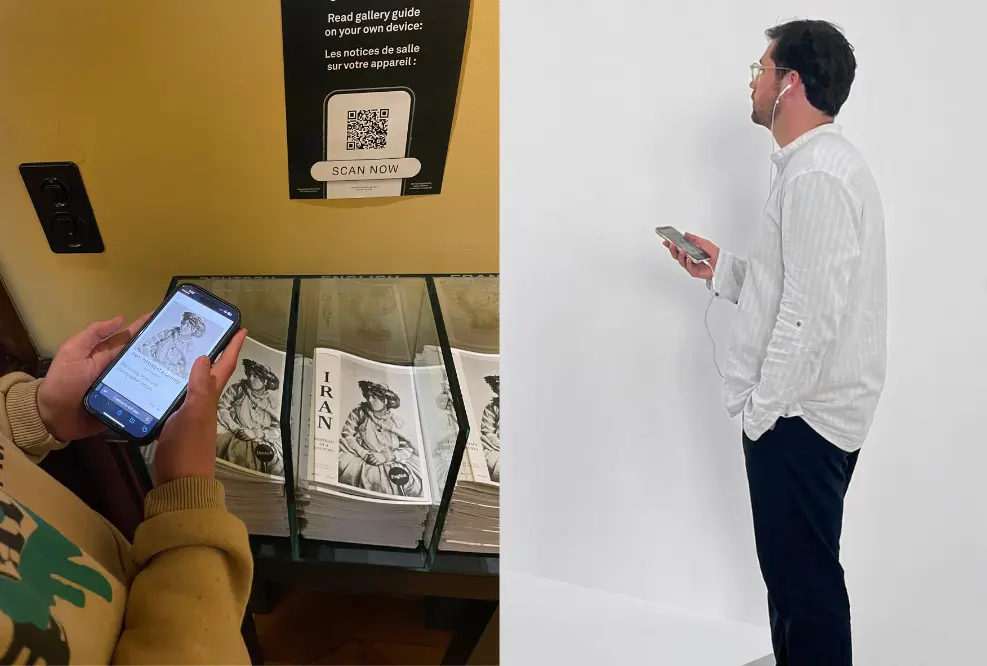
Are Museum Apps Superfluous? Why Your Visitors Aren't Using Your App
Listen to this segment here
Is having a dedicated native museum app still relevant today? What are the usage figures like? How many resources does a project like this require—and what are the alternatives?
Are Museum Apps Being Used? An Analysis
Whether it’s AR, audio guides, or scavenger hunts: Many museums developed their own solutions tailored to their specific institutions and were caught up in the app craze. Even smaller museums developed supposedly customized solutions or opted for offerings from third-party providers. But how often is such an app downloaded? And how often is it actually used?
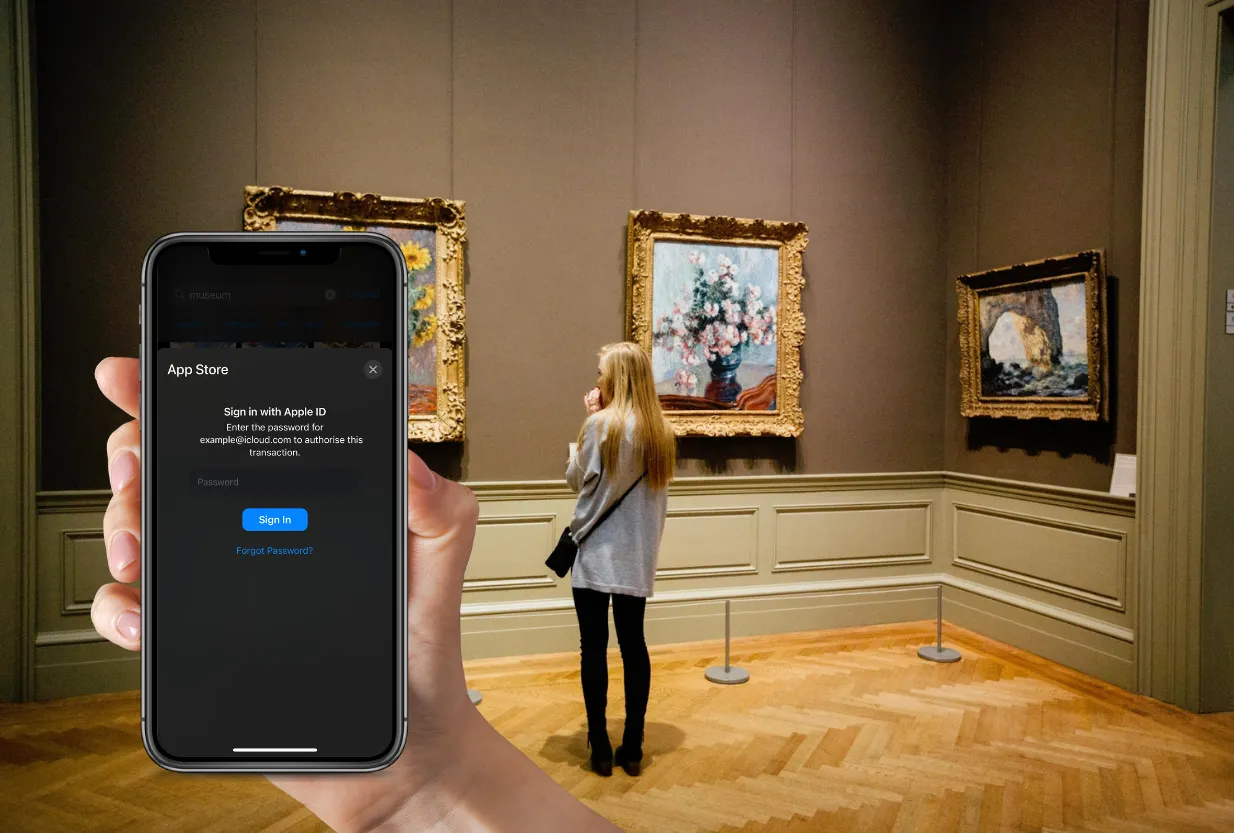
In most cases, a museum’s own app is only of short-term interest to visitors. And even during a museum visit, the potential of museum apps is hardly ever fully realized: A study as early as 2017 reached the following conclusion: While 93% of museum visitors brought a smartphone with them, fewer than 2% had a museum app installed. That is, not just the app for the museum they were currently visiting, but any museum app at all.
When we consider that the average app loses 77% of its users within 3 days of download, the outlook is bleak. Several other studies show that proprietary native apps aren’t a good investment. As early as 2016, industry publications like TechCrunch were discussing the so-called “post-app world.” And numerous blogs wrote about why museum guides deliver such a poor user experience. By 2025, we can expect that even fewer visitors will want to download apps.
Why Museums Should Avoid Creating Their Own Apps
Over the past 10 years , having a dedicated app has often been a prestige project for museums looking to stay on the cutting edge of digital innovation.
We’ll outline 5 reasons why you should skip it today.
Low download rates: Many museum apps are rarely downloaded, which often fails to justify the investment.
High development costs: Developing and maintaining an app is expensive and resource-intensive. Maintenance costs in particular (at least 10% of the initial development costs per year) are too often underestimated.
User preferences: Visitors prefer quick and straightforward interaction with content and using their own devices. In other words, no download required.
Digital Transformation: The digital landscape is changing rapidly, and museums must remain flexible to keep pace with current trends.
Alternatives Using the Latest Technology: But what alternatives are there to a museum’s own app? The answer: Web apps (websites) offer similar features and are more cost-effective to maintain. This eliminates download barriers, and the technology always remains up to date.
Why Web Apps Are the Best Solution for Museums
Web applications, also known as web apps, are software solutions that are accessed and used via a web browser. This offers many advantages: Unlike traditional museum apps, web apps do not need to be installed on visitors’ devices. Instead, they are hosted on a web server and can be used from anywhere (even in offline mode). Here are some advantages of web apps:
Platform independence: Web apps work on various devices and operating systems. Users can access them anywhere there is an internet connection and a browser.
No downloads required: Unlike traditional applications, users do not need to install or update any software. A simple QR code scan provides access to the content.
Easy updates: Updates and changes can be implemented quickly in a web app. All users have immediate access to the latest version, ensuring greater flexibility.
Embedding and Access: Web apps for museums can be easily embedded in or linked to other digital platforms, such as websites, newsletters, and social media. Because they function like a website, they are accessible to people with disabilities through the development of accessibility features (e.g., screen readers, sign language, transcription, etc.).
Cost-effectiveness is another major advantage of web apps. In any case, it’s worth adopting a user-centered approach and updating content regularly. So do yourself—and especially your visitors—a favor and look for a solution that doesn’t require downloads or waiting in lines.