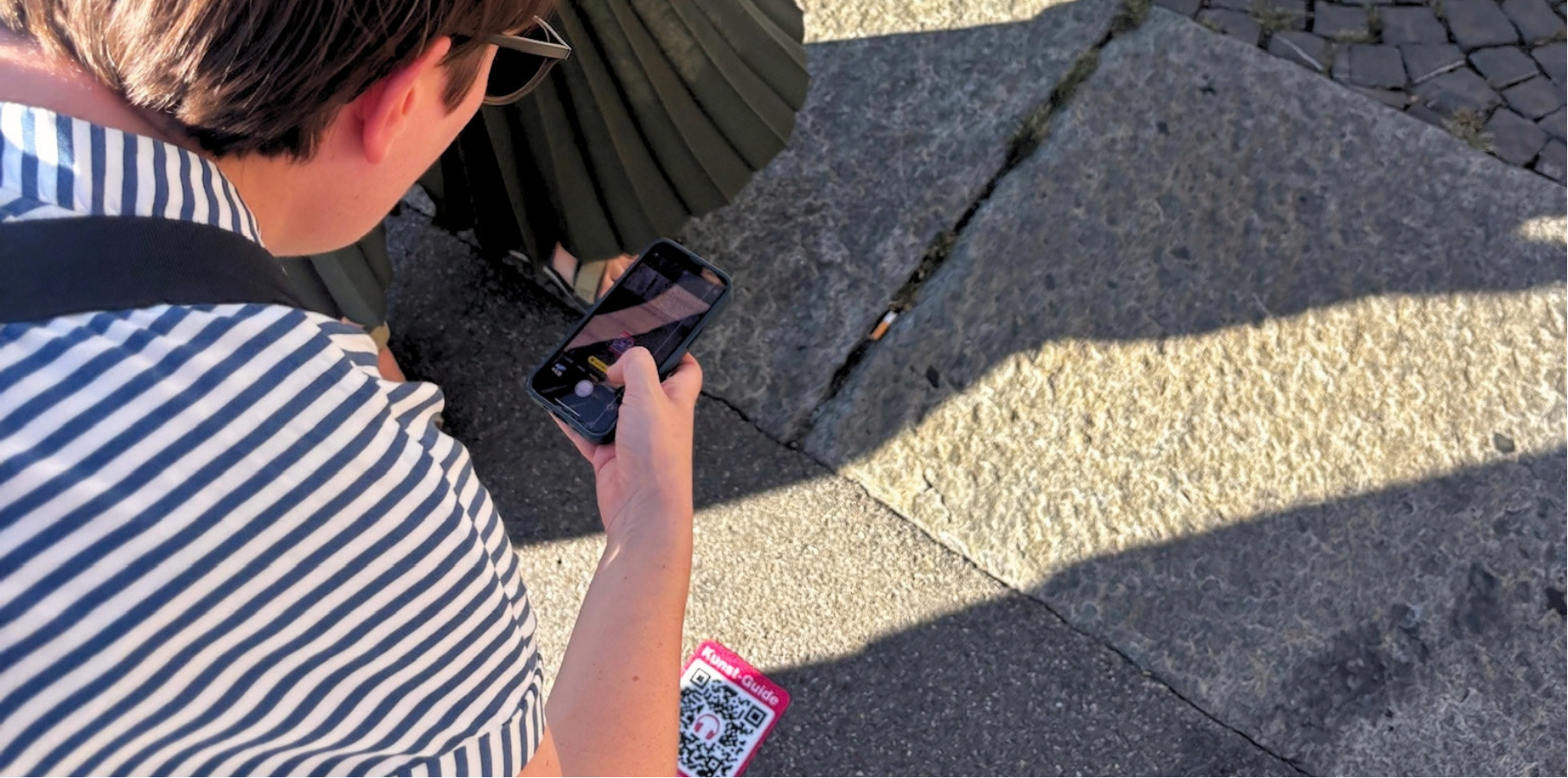
5 Lessons Learned from Conversations with Over 100 Museums
About 48% of people have not visited a museum in the past 12 months (click here for the latest study). But how can museums overcome this challenge? One approach is to use audio-based educational formats that make a museum visit more interactive and exciting. How can we use audio formats to turn a museum visit into an unforgettable experience? What opportunities does audio-based interpretation offer us, and what challenges must we overcome in the process?
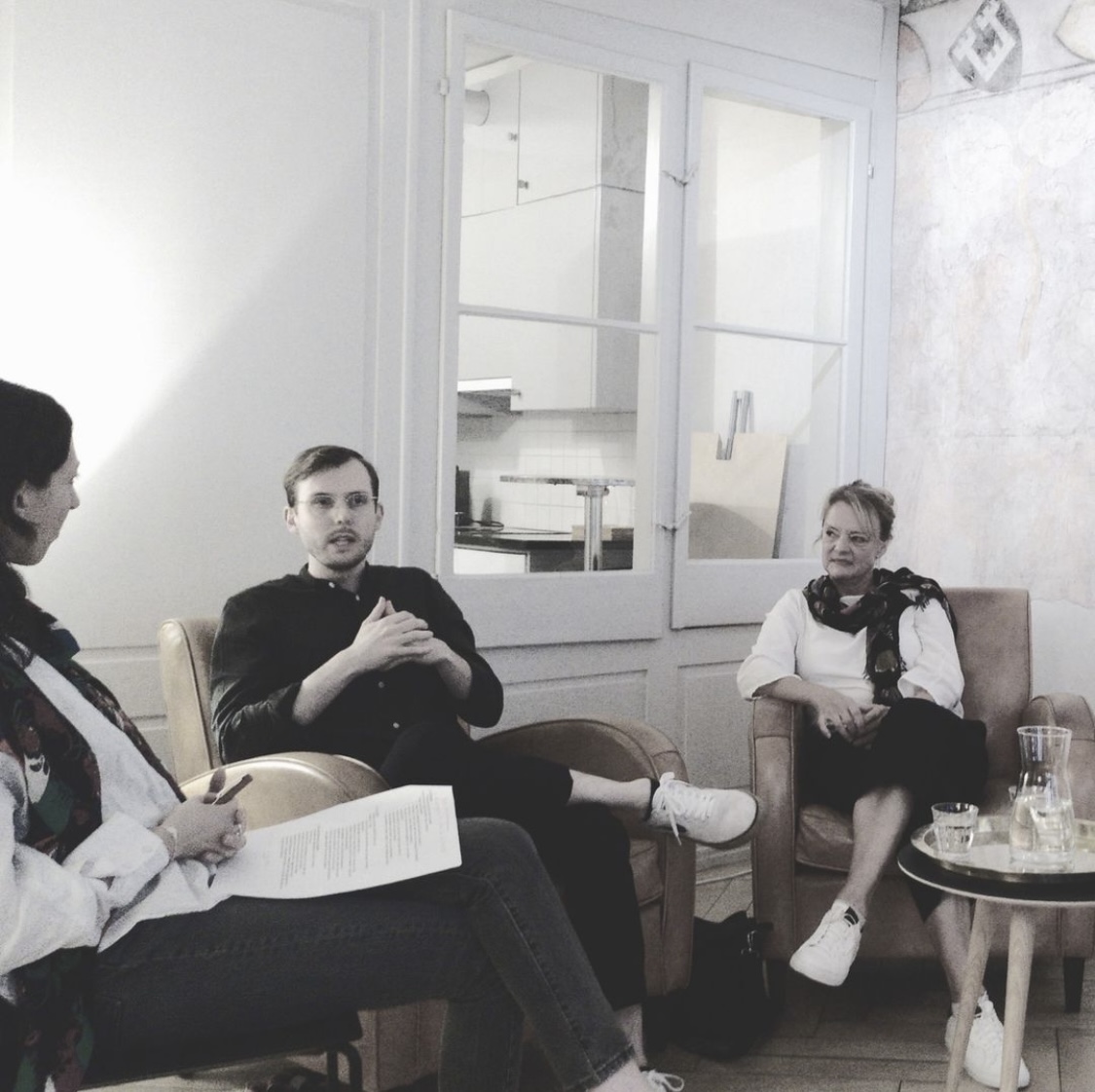
We had the opportunity to discuss these questions during a panel discussion focused on audio experiences in museums. The discussion took place with Elisabeth Sprenger (artist) and Lucas Hagin (Audio-Cult) and was moderated by Laura Falletta (curator at Schauplatz Brunngasse).
Why use audio guides at all?
Taking as our starting point the audio installation “Eine Welt in Fragmenten” by Elisabeth Sprenger—designed specifically for the Schauplatz Brunngasse —we discuss how audio content—from audio guides and sound installations to innovative podcasts—can help people experience art and culture in a new and fascinating way.
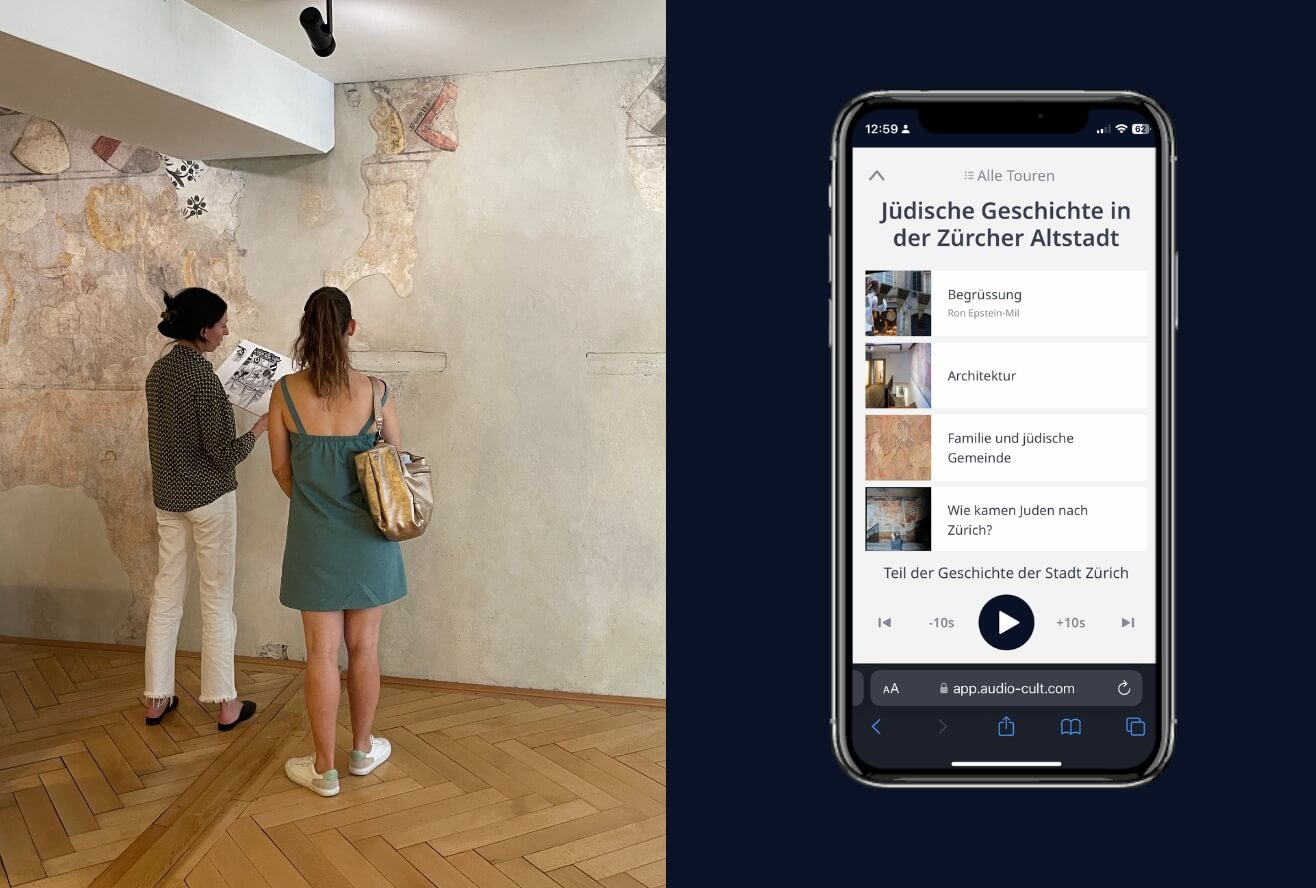
At Schauplatz Brunngasse, the focus is on personalized guidance. Here, the curator still personally guides visitors through the exhibition. Since this cannot be maintained permanently due to resource constraints, the audio guide is used as a complementary tool. We recorded the audio guide together with the association’s president—authentic, personal, and approachable (click here for the audio guide).
During the recording, we discussed new technical possibilities. From artificial intelligence in museums to augmented reality and beyond. With Wonnder (formerly Audio-Cult), for example, you can create an audio guide using AI. Simply enter some text, and the audio is automatically generated using artificial intelligence. It’s also possible to use the same narrator’s voice for different languages. This allows you to create a copy and translation in a foreign language based on an original recording.
But which approach is right for my museum? It’s worth reflecting on the specific challenges and context here. Other questions included:
- What are the pros and cons of an audio guide?
- What is the potential of poetic and artistic audio walks?
- How is AI used in museums?
Insights from conversations with more than 100 museums
1️⃣ Cultural Participation 🎧
Audio guides make art and culture accessible to everyone by conveying information in an entertaining and understandable way.
2️⃣ Storytelling 📖
Audio guides should not only provide information but also tell captivating stories that create a deeper connection between visitors and exhibits.
3️⃣ Technology 🌍
Developments in artificial intelligence enable multilingual and personalized audio experiences that make historical and cultural content more accessible. Whether it’s AR features or AI trends, it shouldn’t be just a gimmick. The added value for visitors must always be the top priority.
4️⃣ Subjectivity and Personality 🎨
Audio experiences designed by artists offer new, poetic perspectives and enrich the museum experience through creative storytelling and immersive sound installations.
5️⃣ Inclusion 💡
Audio and media guides improve accessibility by providing visitors with diverse needs access to information and multisensory experiences .
Different Perspectives Through Audio Clips
Educational programs using audio guides offer a sensory and intuitive entry point for a broad audience. Whether tours are designed for children, adults, or experts, different levels of depth can be incorporated to create varied points of access.
It was fascinating to hear how curators and artists view audio guides. Their personal perspectives enrich educational programs and open the door to new approaches. During the event, insights and experiences on the topic of audio and museums were not only shared and explored further by the panel of experts. The exchange was also enriched by an inspiring discussion with the audience (drawing from archaeology and historic preservation, art history, and architecture).
A big thank you to Laura Falletta (curator) and Thomas Gamma (museum director) and the team at Schauplatz Brunngasse for organizing the event. We look forward to expanding our educational outreach together and developing new formats that will inspire the public to learn about the history of Jewish culture in Zurich.
What is the Brunngasse setting?
Some background on the location: Around 1330, a Jewish family lived in this house at Brunngasse 8 in Zurich’s Old Town: Minne and her two sons, Moses ben Menachem and Mordechai ben Menachem. The small museum “Schauplatz Brunngasse” aims to give visitors the opportunity to explore the residence, with its magnificent paintings, and learn about its Jewish residents.
The Wonnder audio guide offers a starting point for discovering this fascinating history.
Source: Institute for Museum Research (Kathrin Grotz, Prof. Dr. Patricia Rahemipour)