Audio Guide Innovation at the Wenzel Hablik Museum – Do Your Visitors Still Rely on Text?
Do visitors actually still read texts in museums these days? In an interview with the *Norddeutsche Rundschau*, Greta Kühnast, director of the Wenzel Hablik Museum, raises this question:
"To what extent do visitors even read the exhibition texts anymore?" Kühnast had asked herself: "I catch myself quickly taking a photo in museums so I can read the text later." So a different form of education is needed. The director explains: "We don't want to say, 'Here's the answer,' but rather provide food for thought."
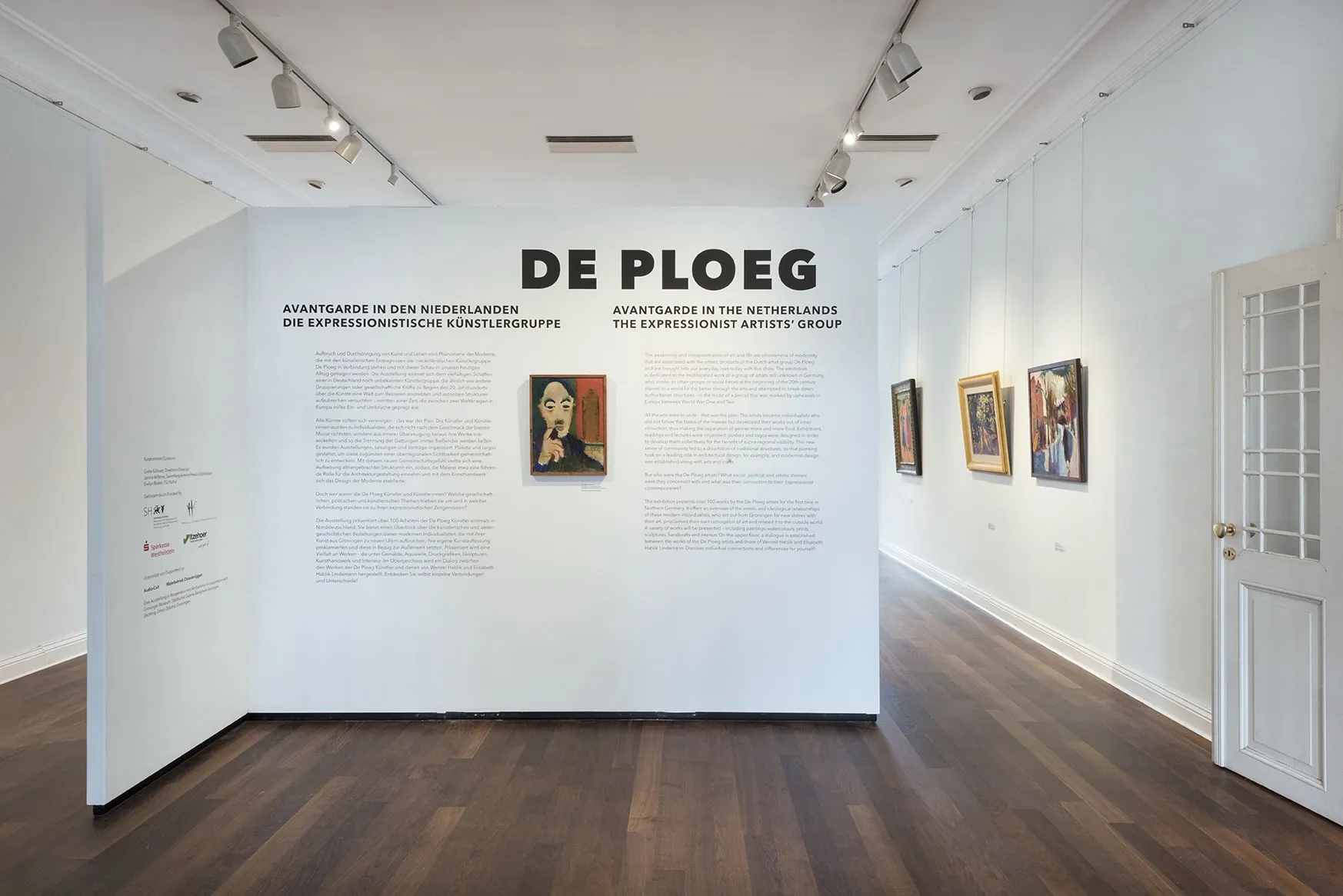
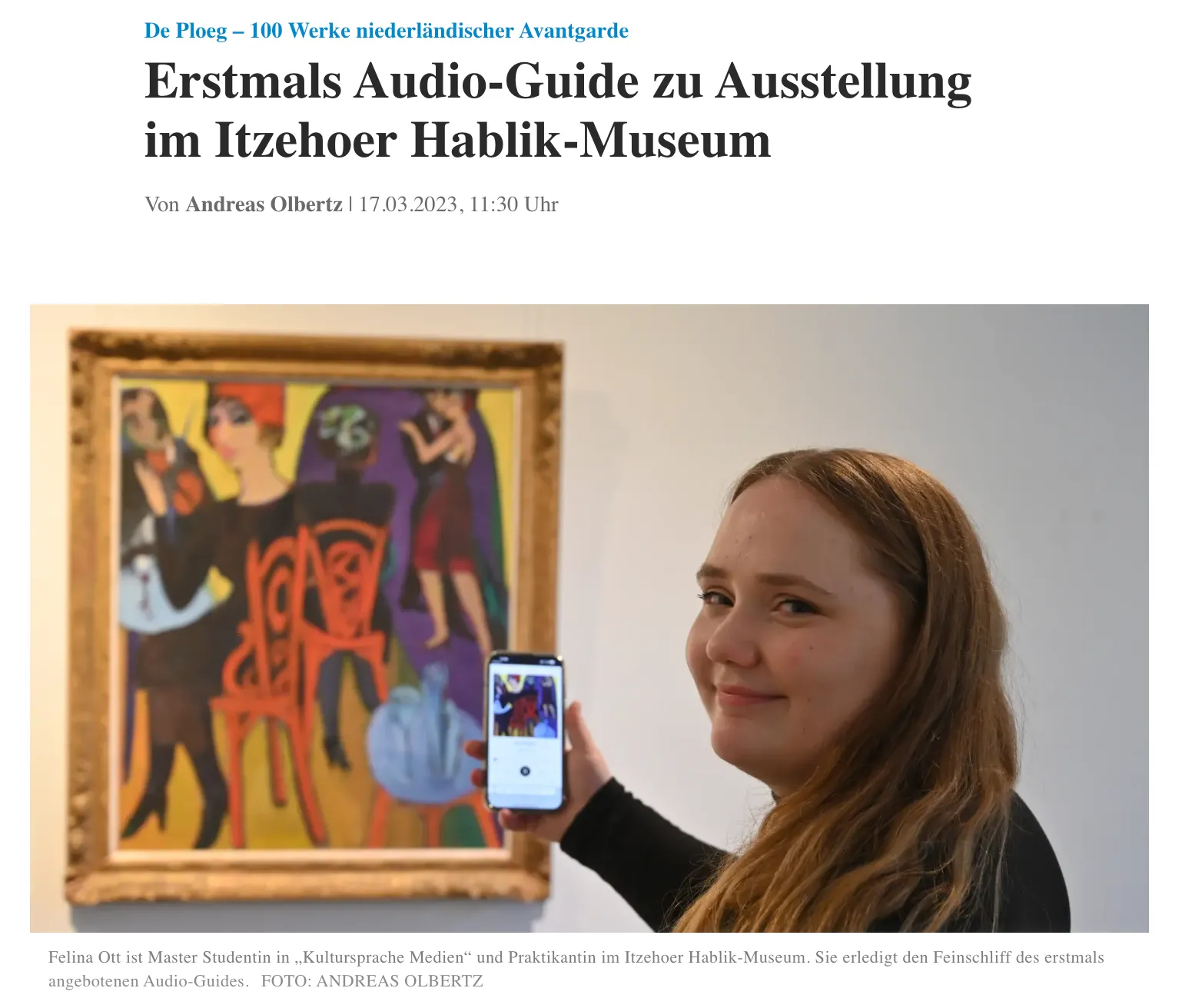
For the special exhibition “Avant-Garde in the Netherlands: The Expressionist Art Group De Ploeg,” the Wenzel-Hablik Museum in Itzehoe therefore decided to develop an audio guide for the first time. However, creating a dedicated museum app would be too expensive. The team led by Director Greta Kühnast independently recorded a tour in German, English, and Danish, offering an accessible introduction suitable not only for knowledgeable museumgoers but also for a broad audience without any prior knowledge.
In cooperation with the Groninger Museum and featuring four stops at the Städtische Galerie Bietigheim-Bissingen (in the south), the Wenzel-Hablik Museum (in the north), the Kunstmuseum Erfurt ( in the east), and the Kunstmuseum Ahlen (in the west), the work of the De Ploeg Group is being presented to a broader audience in Germany for the first time.
At the Wenzel-Hablik-Museum, the works engage in a dialogue with the museum’s own collection and raise fundamental questions. What does “avant-garde” mean? In what context do we speak of Expressionism? And what does an “old” Dutch artists’ group have to do with the reality of our lives? To explore these aspects, the museum has selected 13 key works and developed an engaging tour.
Create Your Own Audio Tour Using Your Smartphone
- The concept, screenplay, and text were created collaboratively by Greta Kühnast (director), Janina Willems (assistant director), and Lucas Hagin (Audio-Cult).
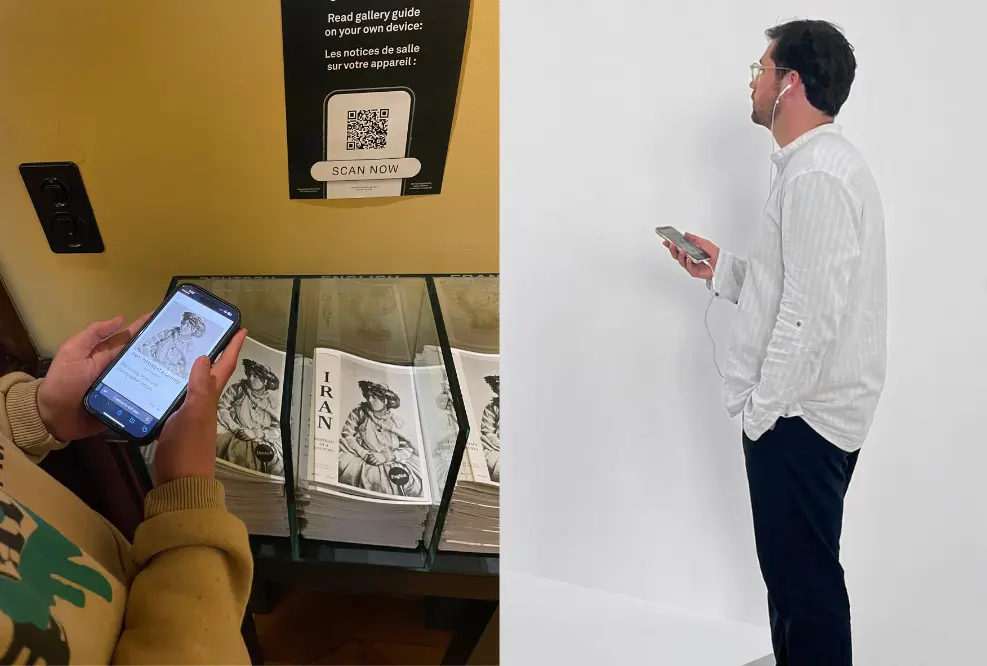
- The audio recordings are captured directly on a smartphone, filtered using the Wonnder (formerly Audio-Cult) Creator, and uploaded. All associated QR codes are generated automatically.
- Thanks to the use of audio, the exhibition becomes more accessible and inclusive —for both on-site visitors and the virtual audience.
- The voices of the museum’s own staff make for an authentic experience —the people who are involved in the exhibition and who also lead tours and workshops welcome the audience in person.
Provide accessible access through innovative audio guides
Visitors have responded extremely positively to the new educational program: The audience has been enthusiastic and has provided very positive feedback and reviews. The museum introduced the new format via social media, its own website, and during a press conference, and it was covered in regional and national daily newspapers (including the TAZ) as well as on Norddeutscher Rundfunk (NDR).
We look forward to collaborating with the Wenzel Hablik Museum and the Ahlen Art Museum to carry out further exciting educational projects and make art accessible to a broad audience. Once again, this demonstrates that museums and exhibition platforms can develop their own simple, cost-effective, and professional guided tours even with small teams.